
Why Should We Stress During Exams?
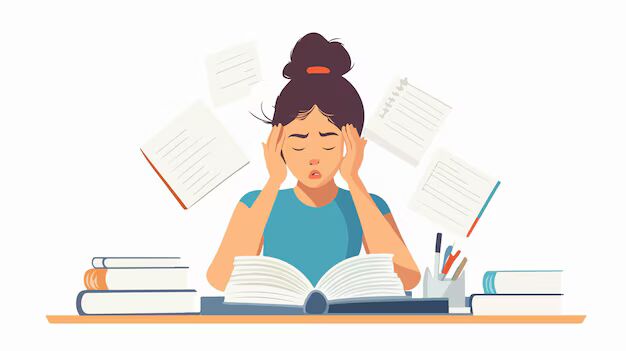
If you are reading this, you are likely familiar with the stress and anxiety that accompany exam season. While this pressure can feel overwhelming, you are not alone; these feelings are a natural part of preparing for major milestones. The good news is that by shifting your perspective, you can manage this stress and even use it to your advantage for a healthier, more productive revision period.
Avoid Information Overload
One of the biggest pitfalls during revision is information overload. This happens when you try to absorb too much at once, leading to mental fog and the feeling that you’ve forgotten everything. To prevent this, establish a balanced schedule that gives equal attention to each subject while prioritizing structured breaks.
A highly effective strategy is to study for 20 minutes, spend a few moments reflecting on what you just learned, and then take a 10-minute break. Additionally, avoid getting bogged down in minor details that stall your progress. A strong general understanding often provides the context needed to answer specific questions.
Silence Negative Self-Talk
Stress often manifests as an inner voice telling you that you aren’t prepared enough. This negative self-talk can trap you on a single topic for hours, causing you to fall behind. Recognize these thoughts as a byproduct of anxiety and learn to ignore them so you can move forward with your schedule.
Listen to Your Brain
Just as your body tires during physical exercise, your brain has a limit. You can tell your brain needs a rest when you become easily distracted or find yourself “reading” without retaining any information. Forcing yourself to continue at this stage is counterproductive and only increases frustration. Accept these moments as a normal biological signal and step away to recharge.
Master the Art of Relaxation
Under extreme pressure, it is easy to forget how to unwind. Incorporating specific relaxation techniques can significantly lower your cortisol levels. Consider practicing:
-
Mindfulness Meditation and Deep Breathing exercises.
-
Body Scans to release physical tension.
-
Yoga or Tai Chi for movement-based stress relief.
-
Guided Imagery to calm the mind.
Prioritize Your Health
You cannot perform at your peak if your body is failing. We often neglect self-care during stressful times, but mental and physical health are the foundations of success. Avoid the urge to skip meals or overeat due to nerves. Instead, find time to laugh, breathe, and engage in activities that bring you joy. Positivity clears your thinking and provides the stamina needed for long-term productivity.
Reframe Stress as a Challenge
Instead of fighting stress, try to reframe it. View your exams as a personal challenge rather than a judgment of your worth. When you see an exam as an opportunity to test your potential, it brings a sense of inner peace and leads to better sleep.
Success depends on effort, but working hard shouldn’t mean working against yourself. Believe in your capabilities, and remember that whether you succeed or fail in a specific task, the process of learning and growing is what truly matters.